I am no expert photographer, preferring to capture the moment than get a perfectly composed shot. The pictures on my blog are either taken with a compact Canon, a Panasonic Lumix FZ150 or on my phone.


Showing posts with label Hypparchia semele. Show all posts

Sunday, 29 March 2020

East Lothian Butterflies 2019 Part 2


Continuing on from my previous post ...


Small Copper, Lycaena phlaeas
The Small Copper started the year very well. The first one was recorded on 17th April and two more were seen the following day. The first generation did very well and the second generation started earlier than normal and was seen in good numbers until the middle of August, when numbers crashed. It seems that the periods of heavy rain knocked numbers down. The last Small Copper was recorded on 20th September, six weeks earlier than last year.


Wall Brown, Lasiommata megera
As with many other species in 2019 the Wall Brown appeared early and the spring generation was larger than we would normally expect. Although the summer generation was larger than the spring generation, it was closer to the average number that we have seen over the last few years.


Holly Blue, Celastrina argiolus
The most exciting news of the year was the discovery of a colony of Holly Blues in Gullane. Every year for the last ten years we have had one or two records of Holly Blues. There had been a colony at Newhailes for a number of years, but I don't think they have been seen there since 2013. The other records had all been in the Gullane to North Berwick area and I always thought there must be a colony hidden in a large garden somewhere in the area. On 20th April a Holly Blue was seen near the coast in Gullane and despite careful searching of the area is wasn't seen again. However, on 3rd August another record came in from outside a garden in the village. Over the next few days several other records from the same area were reported with up to seven individuals being seen there. Nine days later another small colony was found in Gullane about 700 metres away. The last record received was from Archerfield about one and a half kilometres away.
All of these records were from quite public areas, so I doubt they are the location of the original mystery colony. It will be really interesting to see how things develop over the next few years.


Green Hairstreak, Callophrys rubi
The Green Hairstreak is found in a few remote colonies around East Lothian, mostly in the Lammermuir Hills. Because of this we don't get many records. The most easily reached site where they are found is Saltoun Wood, but this colony has suffered a serious decline. There had been a fire there early last year and this year we only recorded three individuals in that area. The three records we received were on 30th April, 15th May and 9th June.


Small Heath, Coenonympha pamphilus
2019 was a good year for Small Heaths. It was notable hat they did particularly well in the summer generation. The first record was on 10th May and they were seen through to the 7th September.


Common Blue, Polyommatus icarus
Common Blue did very well in 2019. The first record was on 24th May and I received almost double the normal number of records. As has been noted with other species, it is the year after a good season that the number of butterflies increases.


Meadow Brown, Maniola jurtina
Meadow Browns also did very well in 2019. I was surprised that we didn’t see more in 2018 when we had such good weather, but I realise that the number we see reflects the weather of the previous year. The first record in 2019 was on 18th June. They had quite a short season, but were seen in greater numbers than in the previous six years.


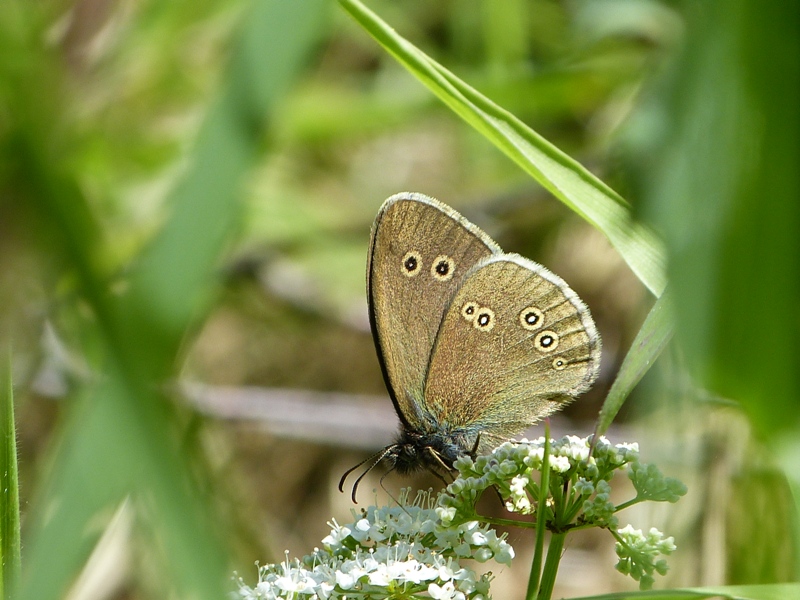
Ringlet, Aphantpopus hyperantus
The number of Ringlets recorded in 2019 was about average, but they were condensed into a shorter season than normal. The first record was on 18th June and they were initially slow to build up their numbers. However, they peaked in the middle of July and then quickly dropped away, with the last record being on the 15th August.


Small Skipper, Thymelicus sylvestris
The Small Skipper has been increasing in number year on year, since it was first discovered in East Lothian in 2011. The trend continued in 2019 when we received records of 677 skippers, an increase of over 50% on the previous year. The first record was on 22nd June and they were seen in great numbers in July. They are also continuing to extend their range in East Lothian.


Dark Green Fritillary, Argynnis aglaja
Dark Green Fritillaries had an amazing year in 2019 with almost twice the normal number being seen. The first record was on 23rd June and they were recorded until 10th August. Dark Green Fritillaries are mostly found on coastal sites in East Lothian but can also be found in one or two remote valleys in the Lammermuir Hills.


Grayling, Hypparchia semele
Grayling are found in three locations in East Lothian. One of these is very remote cleugh in the Lammermuirs and I didn't receive any records from there this year. The other two sites are at Blindwells and Meadowmill. The Blindwells site is about to be lost to a large housing development, but thankfully the contractors have fenced off the area where the Grayling are found. However, this remains a very small area surrounded by earth moving equipment. Amazingly, on the only occasion anyone was able to visit there, they recorded 13 Graylings flying. A few hundred yards away at Meadowmill Graylings were recorded in much greater numbers than in previous years. The first record was on 26th June and records of over 400 Graylings were received.


Northern Brown Argus, Aricia artaxeres
Northern Brown Argus are only known to exist in four small colonies in East Lothian. They are all quite remote and isolated, so take a bit of dedication to get to. Because of this I only received one record of a Northern Brown Argus on the 20th July. I know they did very well in the Scottish Borders and I have no reason to believe that they wouldn't have done well here, too.


I didn't receive any records for Large Skippers in 2019, but I think they will still be out there along the foothills of the Lammermuirs. Neither did I receive any records of Small Pearl Bordered Fritillaries. They are only known from a couple of sites in East Lothian and we never get records of more than one or two in a good year! Given the prolonged period of great weather earlier in the summer I was surprised that we didn't receive any records of Clouded Yellows or any other unusual migrants.

Once again, I want to send a big thank you to everyone who sent in their records to me last year. The combined efforts of everyone creates a very good picture of how butterflies are doing in East Lothian.

Tuesday, 30 April 2019

East Lothian Butterflies 2018 Part 2

Small Copper, Lycaena phlaeas
The Small Copper isn't a butterfly that is normally seen in large numbers, most often being seen individually, as males aggressively defend their territory or chase after females. In 2018 there were regular records of more than ten being seen. It was certainly the best year I can remember for Small Coppers. The first record was on 8th May and they were seen through to 2nd November. The most exciting news is that that we had a very obvious third generation in 2018, which we haven't previously seen here.


Number of Small Copper records received each week in 2018


Wall Brown, Lasiommata megera
The first record of a Wall Brown in 2018 was on 11th May. The Wall Brown has continued to increase in numbers year on year since it was first recorded here in 2010. As with many other species, the spring population did pretty well, but it was the second generation that did particularly well. In previous years we have found the odd pioneering individual exploring further afield, but this year there did appear to be an expansion of the range of this butterfly with it being found in numbers at various sites where it hasn't previously been recorded.


Distribution of Wall Browns in 2018 compared with previous years.


Small Heath, Coenonympha pamphilus


The Small Heath seems to have two overlapping generations a year, although it is not really possible to separate the two generations. There also seems to be quite marked differences between different sites, and in my experience those in John Muir Country Park appear to finish quite a few weeks before those found in Aberlady and Yellowcraig. Most years there are also a few quite fresh-looking individuals later in the season making us question if there could be a partial third generation. 2018 wasn't particularly different from previous years, with the first record being on the 18th May and the last hanger-on being seen on 23rd September.


Common Blue, Polyommatus icarus
As with most other species, the Common Blue did very well in 2018. Numbers weren't dramatically higher than normal and it is interesting to speculate why some species did so much better than others. Possibly it may be to do with how their food plants coped with the hot, dry summer. The first Common Blue was seen on the 29th May and the last one was seen on the 7th September.


Painted Lady, Vanessa cardui
Painted Ladies were quite late to arrive in East Lothian in 2018. There were a couple of records in early June, but it wasn't until later in July that they were seen in any numbers. 2018 turned out to be one of the best years we have had recently for Painted Ladies.


Meadow Brown, Maniola jurtina
Meadow Browns were the only butterflies that didn’t do particularly well in 2018. I think that they suffered from the poor weather the previous summer. Although numbers were higher than last year, they were lower than we would normally see. The first record in 2018 was on the 12th June and they were seen through until the 29th August.


Ringlet, Aphantpopus hyperantus
Ringlets did reasonably well in 2018, but not as well as many other species. I think they may also have been a victim of the previous poor summer. The first Ringlet was recorded on the 18th June and their short flight period lasted until the 5th August. It will be interesting to see if the great weather of 2018 will allow numbers to bounce back in 2019.


Dark Green Fritillary, Argynnis aglaja
We don't tend to see a lot of Dark Green Fritillaries and they are generally limited to coastal sites and one or two valleys in the Lammermuir Hills. Numbers in 2018 were about average, but they had a terrible year the previous year, so it was good to see them bouncing back.


Northern Brown Argus, Aricia artaxerxes
I am only aware of four places in East Lothian where Northern Brown Argus occur. Three of those sites are very small and vulnerable. Because of this I don't receive many records of Northern Brown Argus, so it is difficult to assess how they are doing. However, at one site near Dunbar, despite several visits only one Northern Brown Argus was recorded. Maybe this is a butterfly that we need to look at a bit more closely in the future.


Small Skipper, Thymelicus sylvestris
The Small Skipper has been increasing in number year on year, since it was first discovered in East Lothian in 2011. Unsurprisingly, 2018 was its best year yet. They were initially found along the coast in the Aberlady and Gullane area, but in more recent years have been found in the Lammermuir Hills, lowland woodlands and various areas of rough grassland across the county. The first record in East Lothian was on 21st June and they were seen through to 27th August.


Grayling, Hypparchia semele
I am only aware of three sites where Grayling are found in East Lothian. One of these is very remote and I didn't receive any records from there this year. The other two sites are close to Prestonpans and one of these colonies is about to be lost to a housing development. There is an exciting project currently underway to create a new habitat to try to relocate one of these colonies. The first Grayling was recorded on 27th June and they were seen through to 21st August.


I didn't receive any records for Large Skippers in 2018, but I suspect they will be out there somewhere, unlike Holly Blues, which I fear have died out in East Lothian, having not been recorded here in the last two years. I didn't receive any records of Small Pearl Bordered Fritillaries from East Lothian, either, but I am sure they would have been out and about somewhere in the Lammermuir Hills. Given the prolonged period of great weather I was surprised that we didn't receive any records of Clouded Yellows or any other unusual migrants.


Many species were late to appear because of the cold weather, which lasted into April. It was interesting to note that the hot weather didn't result in prolonged emergence and may have shortened the time that each generation was around because they all emerged quite close together. In contrast, poor weather can extend the flight period, because butterflies have to spend time sitting out the rain, rather than flying around, potentially damaging their wings.

Wednesday, 24 October 2012

East Lothian Butterflies 2012 (2)


Small Heath, Coenonympha pamphilus
The Small Heath is a common butterfly along the coast in East Lothian and it is also found in the Lammermuir Hills. This year they appeared to do as well as ever and I saw over 50 of them during a visit to John Muir Country Park in June.

Holly Blue, Celastrina argiolus
Holly Blues have been recorded right on the western fringes of East Lothian for some years now, but last year I was excited to hear that a new colony of Holly Blues had been found in the coastal village of Aberlady, about 15 kilometres east of the original colony. When I checked this out I found three individuals, so it wasn’t a big colony! This year, despite several visits, I didn’t see any there. However, on 23rd May one was spotted a short distance away in Gullane and two days later I received a record of one five kilometres further along the coast. I live in hope that there is a colony somewhere around that area and that if we have a better summer next year I will manage to see them again.
Sadly, I heard no Holly Blues were recorded at the original site near Musselburgh this year and it is feared that they may have perished due to the poor weather. I really hope for better news next year.

Wall Brown, Lasiommata megera
Wall Browns were first recorded in East Lothian two years ago, having worked their way up the east coast of Scotland. Last year they extended their range only a few metres, but this year they seem to have moved even further up the coast. The first one I saw this year was on 25th May near the boundary with the Scottish Borders, but later in the year I received several reports of them along the next five kilometres of coast. I am hopeful that they will continue to expand their range over the next few years as there is a lot of good habitat further along the coast.

Painted Lady, Vanessa cardui
2012 was not a good year for Painted Ladies in the UK. I received one record on 1st June and two in August. I was beginning to think that I wouldn’t see one myself, but on a warm day in September I found one in amongst some Red Admirals and Small Tortoiseshells feasting on some buddleia. This was to be the only Painted Lady I saw in 2012.

Common Blue, Polyommatus icarus
The Common Blue seemed reasonably unaffected by the weather. It is a butterfly that can be locally common at some coastal sites and disused quarries. This year I specifically went to look for them where I knew I had a good chance of finding them, so I may have a false impression of how many there were. The first ones I saw were on 14th June at an area within John Muir Country Park in an area that is the first place I look for them each year.

Grayling, Hypparchia semele
The Grayling is a butterfly that may have quietly been living unnoticed in East Lothian for a few years. After hearing rumours that there were some living on an old railway siding in an ex-opencast coal mine, I checked the area out last summer and immediately spotted one. Later in the year some were reported on a re-landscaped mining spoil heap less than a kilometre away. This year I checked out the railway siding on 29th June and despite the wind I saw one Grayling. In July I checked out the spoil heap and saw over 40 of them, so they now seem to be well established in the area. There were also two records of individuals at two sites on the coast.

Ringlet, Aphantpopus hyperantus
Ringlets tend to occur in damp grassy areas, and normally start to appear in late June. This year I didn’t see any until 3rd July when I counted 16 on my transect. Luckily for them, this was after the worst of the wet weather, and just after the first floods, so their numbers weren’t that much lower than normal. They tend to be quite a short-lived butterfly, and their numbers tend to drop off by early August, but this year they were still being noted in the third week of August. So, it seems that they delayed their whole adult life by two weeks.

Meadow Brown, Maniola jurtina
The emergence of Meadow Browns was also two or three weeks later than normal, and although their numbers were low to start with they picked up later in the season. I recorded my first one this year on 17th July. If anything, I think this season was better than average.

Dark Green Fritillary, Argynnis laodice
Along with the other two butterflies above this butterfly was about three weeks later than normal. The first record I have for this year is the 27th July, but normally they would be seen at the end of June or early July. Once they did appear their numbers seemed about normal.

Northern Brown Argus, Aricia artaxerxes
Northern Brown Argus tend to live in small colonies based around their food plant – the Rockrose, Helianthemum nummularium. The adults tend not to fly any distance from the areas where Rockrose grows. I am only aware of three sites where there are colonies of Northern Brown Argus in East Lothian, although I am sure there must be others still to be discovered. Adults normally start to appear in mid-June, but I didn’t get to a site just inside East Lothian until 26th July when I saw a good number of them.

That was 20 species of butterflies recorded in East Lothian this year. Not bad considering the appalling weather. I was constantly amazed that butterflies appeared after fairly long periods of cold wet weather. Numbers of most species seemed to be down on normal, but hopefully they will bounce back if we have a summer next year!

The two species that seem to have suffered were the two that are probably the rarest. Holly Blue numbers were down and we didn't record any Small Skippers. Last year was the first year that Small Skippers were recorded in East Lothian. I hope we see them again soon.

Thursday, 28 June 2012

East Lothian Butterflies 2011


What was a very disappointing year as far as the weather was concerned, turned out to be a surprisingly good year for butterflies. After a very hard winter with a lot of snow, spring arrived quite suddenly when it warmed up towards the end of March. The spring weather was fairly normal, but June, July and August were very wet and cooler than normal.

Peacock, Aglais io
The year kicked off with a Peacock being spotted on 22 February at John Muir Country Park by the countryside ranger. This was on a freak warm day and Peacocks didn’t reappear until the third week in March, when a good number of them were seen. The number of sightings was low until the next generation emerged in late August.

Small Tortoiseshell, Aglais urticae
I saw my first butterflies on 21st March - a Small Tortoiseshell and a Comma squabbling over a choice sunny spot on the River Tyne near Haddington. There were good numbers of Small Tortoiseshells, particularly earlier in the year, but they didn't seem to do so well later on, most likely as a result of the weather we experienced over the summer. I observed a female laying eggs in June, which took 18 days to hatch. Sadly the caterpillars soon disappeared and I fear they perished due to the cold, wet weather.

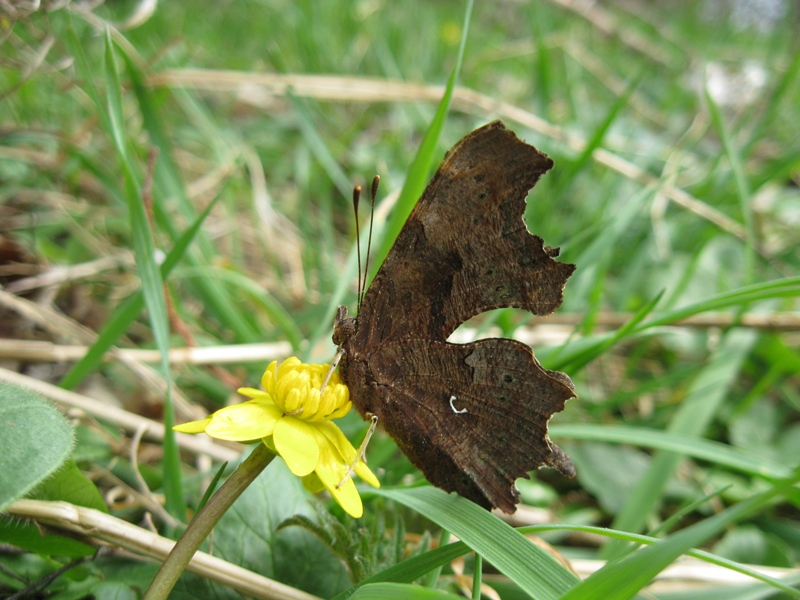
Comma, Polygonia c-album
The Comma only started being regularly recorded in East Lothian in 2006. Prior to that I have one record for 2004 and one for 2005. It isn’t a common butterfly here, but it is now seen reasonably often each year. I saw a couple of Commas in March, but just as I was beginning to think they were suffering from the poor weather, I received a few more records in July, August and September. The number of sightings was certainly lower than the previous year.

Small White, Pieris rapae
The first record of a Small White was on 22nd March, which is quite early for East Lothian. They appeared in greater numbers in mid April. Small White don’t generally occur here in large numbers. Green-veined Whites outnumber them considerably and it can be difficult to spot the difference between the two species until they land.

Panted Lady, Vanessa cardui
There were very few Painted Ladies around this year, but strangely one of the few records was on 5th April at John Muir Country Park, which is very early. Two were recorded in Gullane in July and just one or two more recorded in October. I am sure the weather can have a big impact on how many of these migratory butterflies arrive here from the south. Another slight issue is that Painted Lady caterpillars are freely available to purchase and some of the butterflies we see here could have been reared and released.

Orange Tip, Anthocharis cardamines
The Orange Tip season was noticeably shorter than usual this year, most likely because of the short spring. The first record was on 16th April when there seemed to be a mass emergence. Numbers recorded were very good over the next six weeks and then they quickly diminished.

Large White, Pieris brassicae
The first Large White I saw this year was on 17th April. We don’t see a lot of Large Whites in East Lothian, just the odd one here and there. The number of Large Whites this year was generally a bit lower than normal.

Green-veined White, Artogeia napi
Green-veined Whites must be the most common butterfly in East Lothian. The first sighting was on 18th April. Numbers seemed good for the first generation, but the second generation that appears from July didn’t seem to do as well with fewer sightings reported.

Holly Blue, Celastrina argiolus
Probably the most exciting news for me was that Holly Blues were recorded in one small location near Aberlady in April and May. There were no records of a second generation later in the year, but again the weather was not very conducive. There has been another colony right on the western corner of East Lothian for a few years now, but it is good to know that they seem to be spreading.

Small Copper, Lycaena phlaeas
I saw my first Small Copper of 2011 on 9th May. The number of sightings was a little lower than normal this year. These butterflies can be locally common, but they seem to be restricted to various sites around East Lothian.

Red Admiral, Vanessa atalanta
Red Admirals arrived in force in early May with the first one recorded on 9th May. This year they have been more numerous than I can previously remember. Unusually high numbers were recorded particularly later in the year, right through to November. It will be interesting to see if any make it through the winter.

Wall Brown, Lasiommata megera
I first saw Wall Brown just inside East Lothian at Dunglass last year. I was pleased to find them there again this year in greater numbers. The first record this year was on 9th May in John Muir Country Park and later in the year I was surprised to spot one near Dunbar, so they also appear to be spreading along the coast.

Small Heath, Coenonympha pamphilus
The number of Small Heath recorded this year was lower than normal. I saw my first one on 15th May in the Lammermuir Hills. They also occur at many sites along the coast, sometimes in great numbers. They occur here right through until September.

Dark Green Fritillary, Argynnis laodice
The Dark Green Fritillary is another butterfly that occurs in various locations in the Lammermuir Hills and at the coast. I saw my first one this year on 20th June and various others were recorded throughout the summer. It doesn’t occur in great numbers, so it is difficult to know if this year was a good or bad year for them.

Small Pearl Bordered Fritillary, Clossiana selene
There was one Small Pearl Bordered Fritillary recorded by the countryside ranger in John Muir Country Park on 17th May.

Speckled Wood, Pararge aegeria tircis
Having had one record of a Speckled Wood in 2010 near Tyninghame and one the previous year in John Muir Country Park I had suspicions that there may be a colony somewhere in the area. On 20th May I was excited to find two on the north side of the Tyne Estuary. Since then I have returned a few times and have seen Speckled Wood at this same spot and close by. They were also recorded the other side of the estuary a few times this year, suggesting that they are now established in the park. There was another sighting a couple of kilometres away at Binning Wood and also one at Yellowcraig, so it looks as though they are moving up the east coast.

Ringlet, Aphantpopus hyperantus
The first record of a Ringlet this year was on 10th June. Although they seem to like damp grassy areas, the number recorded this year was lower than it has been for a few years. They tend to be quite short-lived and are usually only recorded for six or seven weeks from the end of June to the beginning of August.

Common Blue, Polyommatus icarus
Common Blue butterflies aren’t widespread, but there are some sites where they can be quite common. The first record I have for 2011 was on 14th June. Looking through old transect records 2011 was the best year on record and this is the only species that seems to have done well this year.

Meadow Brown, Maniola jurtina
I saw my first Meadow Brown on 28th June. Numbers seemed to be generally down on previous years, particularly at the coast, but there were other hot spots where good numbers were seen.

Grayling, Hypparchia semele
I had heard that Grayling had been seen at Blindwells, an old opencast site, for the last few years. On 5th July I visited Blindwells with a local enthusiast and we quickly came across the colony, seeing more than 10 on an old railway siding. I was later told of another colony less than a kilometre away on a re-landscaped spoil heap and one was reported in a nearby village later in the year.

Small Skipper, Thymelicus sylvestris
The other exciting new record for East Lothian was a Small Skipper that was seen at Aberlady Local Nature Reserve on 21st July. There were two more records of Small Skippers a little further along the coast at Gullane in August. As far as I am aware these are the only records of Small Skippers in East Lothian.  It would be interesting to know how they got there and hopefully we will see them there next year.

So, that's 21 species, which must be a record for East Lothian. Two new species for the county and various other species expanding their range. Quite remarkable, given the poor weather.

Followers